Why we make it
Why we make it
We believe that beauty matters. But only a few materials last. Steel rusts. Timber rots. Stone endures for centuries. Sculptures and buildings carved from it stand in quiet defiance of time. Work with us. Eternalise your legacy in stone.
We believe that beauty matters. But only a few materials last. Steel rusts. Timber rots. Stone endures for centuries. Sculptures and buildings carved from it stand in quiet defiance of time. Work with us. Eternalise your legacy in stone.
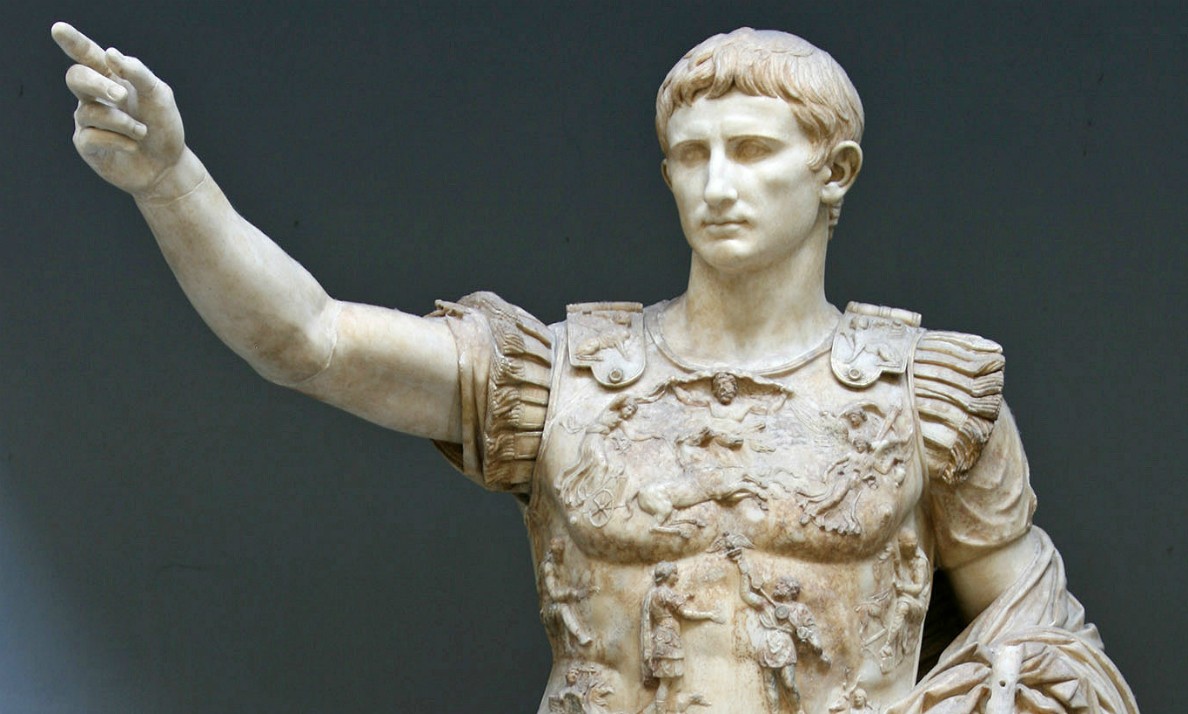
Augustus of Prima Porta
Carved in marble this sculpture presents Emperor Augustus with extraordinary anatomical detail and idealised realism, defining Roman imperial power for over 2,000 years.
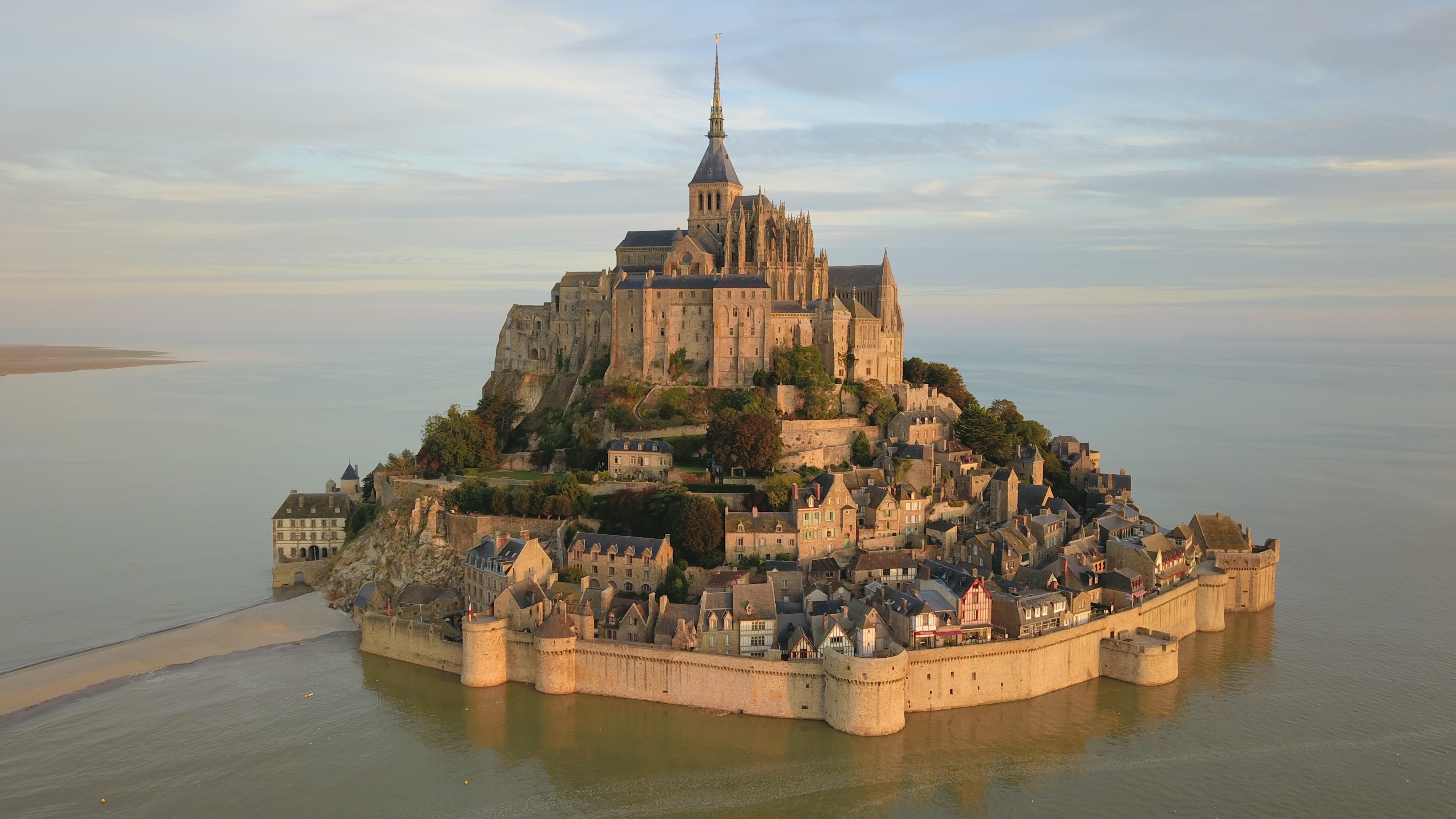
Mont-Saint-Michel
Built from local Norman granite beginning in the 8th century, Mont-Saint-Michel has risen from sea and stone for over 1,200 years, its hardness chosen to withstand both time and tide.
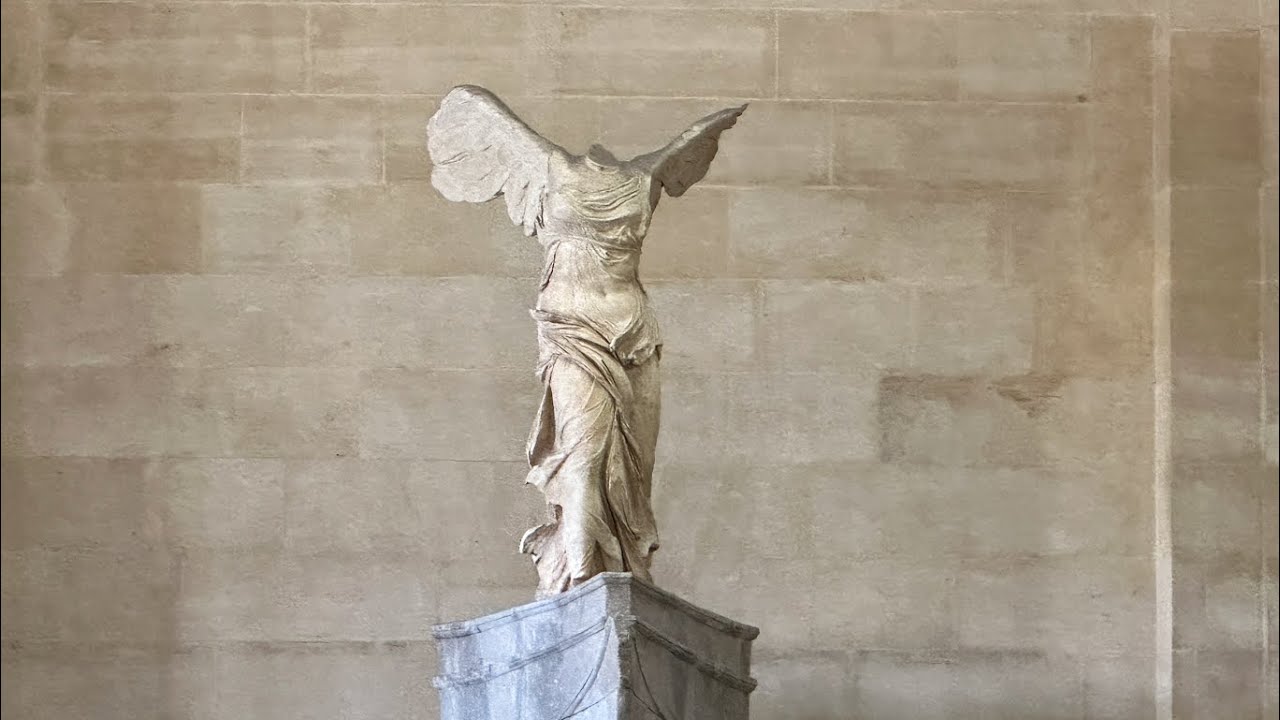
Niké of Samothrace
Created from Parian marble, this sculpture captures motion and triumph with such power that it remains one of the most celebrated achievements of ancient art over 2,200 years later.
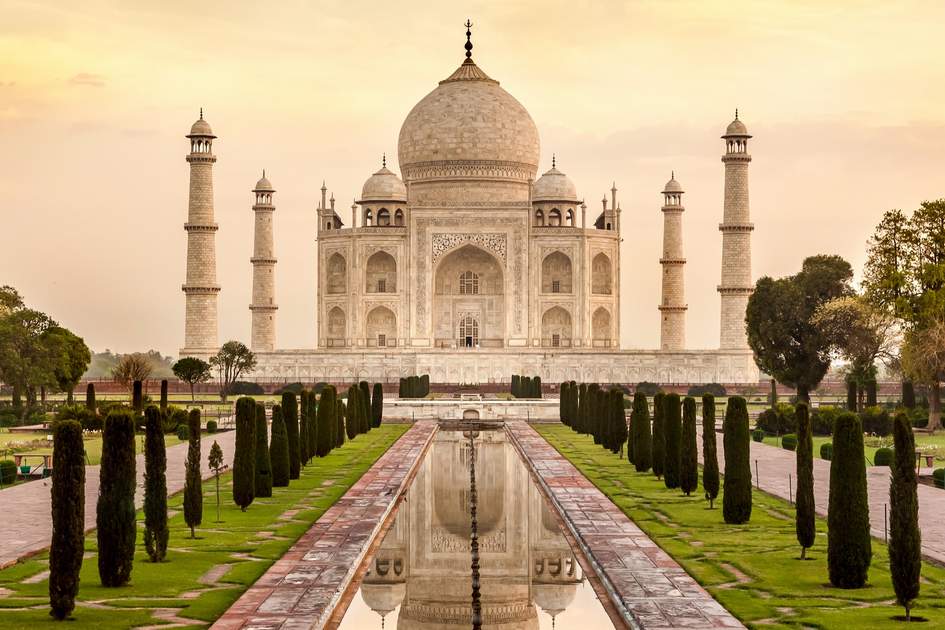
Taj Mahal
Completed in 1653 and built in white marble, the Taj Mahal stands as a timeless monument to love, symmetry, and craftsmanship, revered for nearly four centuries.
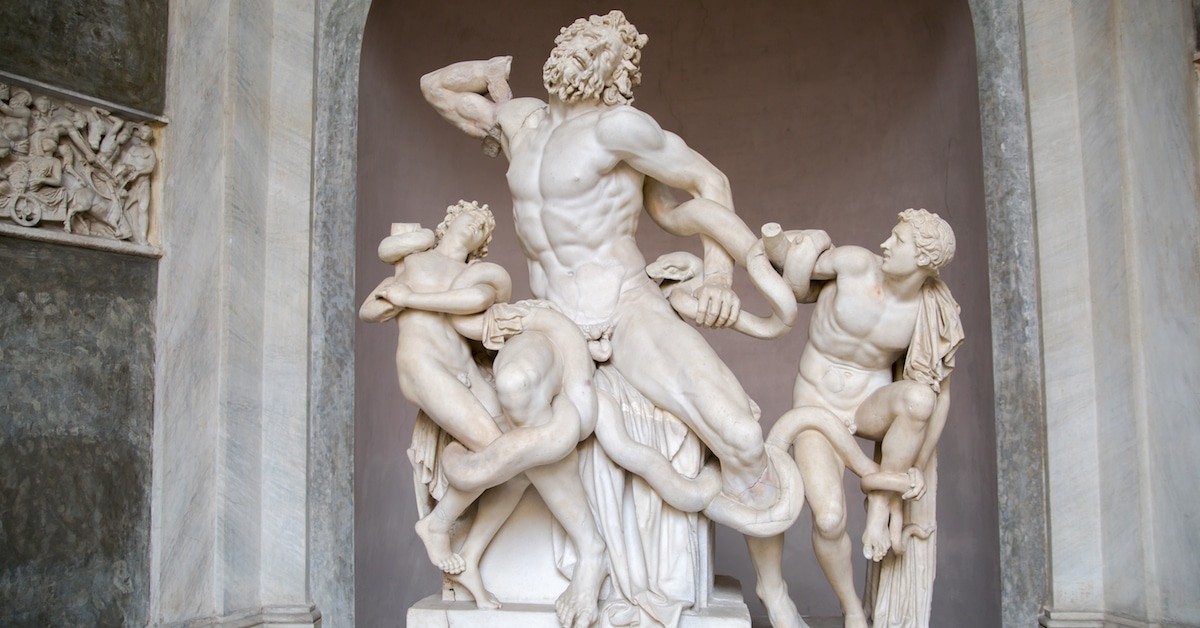
Laocoön and His Sons
Sculpted in marble in the 1st century BCE, this intensely detailed work captures human suffering and motion with such precision that it became a cornerstone of Western sculptural tradition.
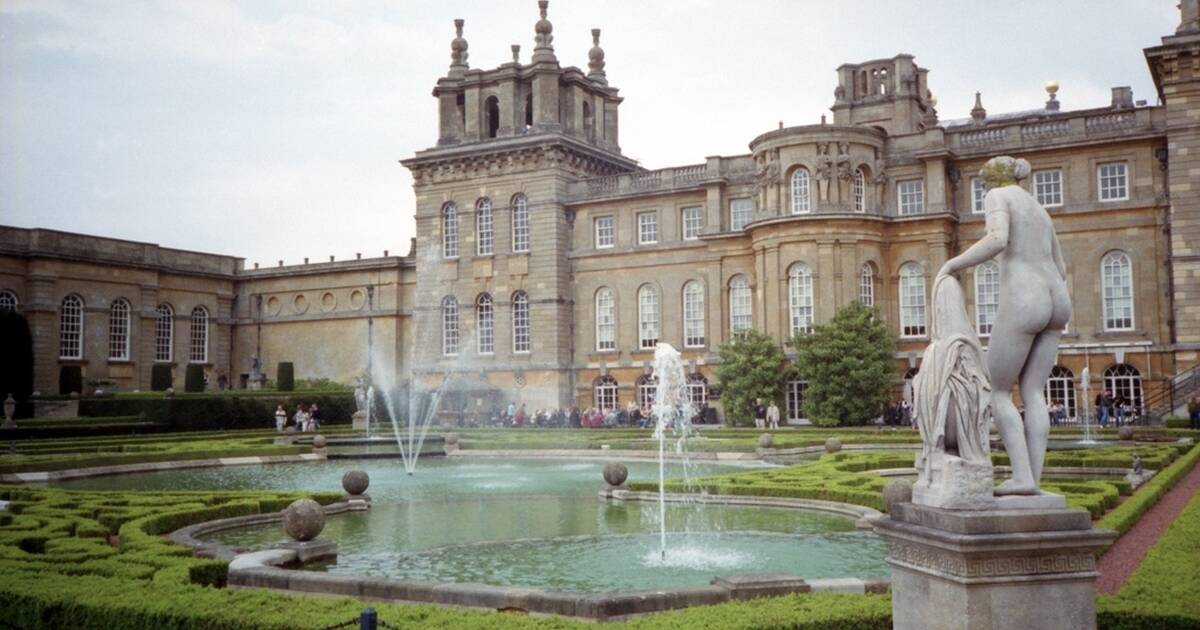
Blenheim Palace
Constructed in the early 18th century from warm-toned Cotswold limestone, Blenheim Palace embodies permanence and prestige, its stone deliberately selected to project legacy across generations.
Augustus of Prima Porta
Carved in marble this sculpture presents Emperor Augustus with extraordinary anatomical detail and idealised realism, defining Roman imperial power for over 2,000 years.
Mont-Saint-Michel
Built from local Norman granite beginning in the 8th century, Mont-Saint-Michel has risen from sea and stone for over 1,200 years, its hardness chosen to withstand both time and tide.
Niké of Samothrace
Created from Parian marble, this sculpture captures motion and triumph with such power that it remains one of the most celebrated achievements of ancient art over 2,200 years later.
Taj Mahal
Completed in 1653 and built in white marble, the Taj Mahal stands as a timeless monument to love, symmetry, and craftsmanship, revered for nearly four centuries.
Laocoön and His Sons
Sculpted in marble in the 1st century BCE, this intensely detailed work captures human suffering and motion with such precision that it became a cornerstone of Western sculptural tradition.
Blenheim Palace
Constructed in the early 18th century from warm-toned Cotswold limestone, Blenheim Palace embodies permanence and prestige, its stone deliberately selected to project legacy across generations.
Augustus of Prima Porta
Carved in marble this sculpture presents Emperor Augustus with extraordinary anatomical detail and idealised realism, defining Roman imperial power for over 2,000 years.
Mont-Saint-Michel
Built from local Norman granite beginning in the 8th century, Mont-Saint-Michel has risen from sea and stone for over 1,200 years, its hardness chosen to withstand both time and tide.
Niké of Samothrace
Created from Parian marble, this sculpture captures motion and triumph with such power that it remains one of the most celebrated achievements of ancient art over 2,200 years later.
Taj Mahal
Completed in 1653 and built in white marble, the Taj Mahal stands as a timeless monument to love, symmetry, and craftsmanship, revered for nearly four centuries.
Laocoön and His Sons
Sculpted in marble in the 1st century BCE, this intensely detailed work captures human suffering and motion with such precision that it became a cornerstone of Western sculptural tradition.
Blenheim Palace
Constructed in the early 18th century from warm-toned Cotswold limestone, Blenheim Palace embodies permanence and prestige, its stone deliberately selected to project legacy across generations.
Augustus of Prima Porta
Carved in marble this sculpture presents Emperor Augustus with extraordinary anatomical detail and idealised realism, defining Roman imperial power for over 2,000 years.
Mont-Saint-Michel
Built from local Norman granite beginning in the 8th century, Mont-Saint-Michel has risen from sea and stone for over 1,200 years, its hardness chosen to withstand both time and tide.
Niké of Samothrace
Created from Parian marble, this sculpture captures motion and triumph with such power that it remains one of the most celebrated achievements of ancient art over 2,200 years later.
Taj Mahal
Completed in 1653 and built in white marble, the Taj Mahal stands as a timeless monument to love, symmetry, and craftsmanship, revered for nearly four centuries.
Laocoön and His Sons
Sculpted in marble in the 1st century BCE, this intensely detailed work captures human suffering and motion with such precision that it became a cornerstone of Western sculptural tradition.
Blenheim Palace
Constructed in the early 18th century from warm-toned Cotswold limestone, Blenheim Palace embodies permanence and prestige, its stone deliberately selected to project legacy across generations.
Augustus of Prima Porta
Carved in marble this sculpture presents Emperor Augustus with extraordinary anatomical detail and idealised realism, defining Roman imperial power for over 2,000 years.
Mont-Saint-Michel
Built from local Norman granite beginning in the 8th century, Mont-Saint-Michel has risen from sea and stone for over 1,200 years, its hardness chosen to withstand both time and tide.
Niké of Samothrace
Created from Parian marble, this sculpture captures motion and triumph with such power that it remains one of the most celebrated achievements of ancient art over 2,200 years later.
Taj Mahal
Completed in 1653 and built in white marble, the Taj Mahal stands as a timeless monument to love, symmetry, and craftsmanship, revered for nearly four centuries.
Laocoön and His Sons
Sculpted in marble in the 1st century BCE, this intensely detailed work captures human suffering and motion with such precision that it became a cornerstone of Western sculptural tradition.
Blenheim Palace
Constructed in the early 18th century from warm-toned Cotswold limestone, Blenheim Palace embodies permanence and prestige, its stone deliberately selected to project legacy across generations.
Augustus of Prima Porta
Carved in marble this sculpture presents Emperor Augustus with extraordinary anatomical detail and idealised realism, defining Roman imperial power for over 2,000 years.
Mont-Saint-Michel
Built from local Norman granite beginning in the 8th century, Mont-Saint-Michel has risen from sea and stone for over 1,200 years, its hardness chosen to withstand both time and tide.
Niké of Samothrace
Created from Parian marble, this sculpture captures motion and triumph with such power that it remains one of the most celebrated achievements of ancient art over 2,200 years later.
Taj Mahal
Completed in 1653 and built in white marble, the Taj Mahal stands as a timeless monument to love, symmetry, and craftsmanship, revered for nearly four centuries.
Laocoön and His Sons
Sculpted in marble in the 1st century BCE, this intensely detailed work captures human suffering and motion with such precision that it became a cornerstone of Western sculptural tradition.
Blenheim Palace
Constructed in the early 18th century from warm-toned Cotswold limestone, Blenheim Palace embodies permanence and prestige, its stone deliberately selected to project legacy across generations.
Augustus of Prima Porta
Carved in marble this sculpture presents Emperor Augustus with extraordinary anatomical detail and idealised realism, defining Roman imperial power for over 2,000 years.
Mont-Saint-Michel
Built from local Norman granite beginning in the 8th century, Mont-Saint-Michel has risen from sea and stone for over 1,200 years, its hardness chosen to withstand both time and tide.
Niké of Samothrace
Created from Parian marble, this sculpture captures motion and triumph with such power that it remains one of the most celebrated achievements of ancient art over 2,200 years later.
Taj Mahal
Completed in 1653 and built in white marble, the Taj Mahal stands as a timeless monument to love, symmetry, and craftsmanship, revered for nearly four centuries.
Laocoön and His Sons
Sculpted in marble in the 1st century BCE, this intensely detailed work captures human suffering and motion with such precision that it became a cornerstone of Western sculptural tradition.
Blenheim Palace
Constructed in the early 18th century from warm-toned Cotswold limestone, Blenheim Palace embodies permanence and prestige, its stone deliberately selected to project legacy across generations.
Augustus of Prima Porta
Carved in marble this sculpture presents Emperor Augustus with extraordinary anatomical detail and idealised realism, defining Roman imperial power for over 2,000 years.
Mont-Saint-Michel
Built from local Norman granite beginning in the 8th century, Mont-Saint-Michel has risen from sea and stone for over 1,200 years, its hardness chosen to withstand both time and tide.
Niké of Samothrace
Created from Parian marble, this sculpture captures motion and triumph with such power that it remains one of the most celebrated achievements of ancient art over 2,200 years later.
Taj Mahal
Completed in 1653 and built in white marble, the Taj Mahal stands as a timeless monument to love, symmetry, and craftsmanship, revered for nearly four centuries.
Laocoön and His Sons
Sculpted in marble in the 1st century BCE, this intensely detailed work captures human suffering and motion with such precision that it became a cornerstone of Western sculptural tradition.
Blenheim Palace
Constructed in the early 18th century from warm-toned Cotswold limestone, Blenheim Palace embodies permanence and prestige, its stone deliberately selected to project legacy across generations.
Augustus of Prima Porta
Carved in marble this sculpture presents Emperor Augustus with extraordinary anatomical detail and idealised realism, defining Roman imperial power for over 2,000 years.
Mont-Saint-Michel
Built from local Norman granite beginning in the 8th century, Mont-Saint-Michel has risen from sea and stone for over 1,200 years, its hardness chosen to withstand both time and tide.
Niké of Samothrace
Created from Parian marble, this sculpture captures motion and triumph with such power that it remains one of the most celebrated achievements of ancient art over 2,200 years later.
Taj Mahal
Completed in 1653 and built in white marble, the Taj Mahal stands as a timeless monument to love, symmetry, and craftsmanship, revered for nearly four centuries.
Laocoön and His Sons
Sculpted in marble in the 1st century BCE, this intensely detailed work captures human suffering and motion with such precision that it became a cornerstone of Western sculptural tradition.
Blenheim Palace
Constructed in the early 18th century from warm-toned Cotswold limestone, Blenheim Palace embodies permanence and prestige, its stone deliberately selected to project legacy across generations.
Augustus of Prima Porta
Carved in marble this sculpture presents Emperor Augustus with extraordinary anatomical detail and idealised realism, defining Roman imperial power for over 2,000 years.
Mont-Saint-Michel
Built from local Norman granite beginning in the 8th century, Mont-Saint-Michel has risen from sea and stone for over 1,200 years, its hardness chosen to withstand both time and tide.
Niké of Samothrace
Created from Parian marble, this sculpture captures motion and triumph with such power that it remains one of the most celebrated achievements of ancient art over 2,200 years later.
Taj Mahal
Completed in 1653 and built in white marble, the Taj Mahal stands as a timeless monument to love, symmetry, and craftsmanship, revered for nearly four centuries.
Laocoön and His Sons
Sculpted in marble in the 1st century BCE, this intensely detailed work captures human suffering and motion with such precision that it became a cornerstone of Western sculptural tradition.
Blenheim Palace
Constructed in the early 18th century from warm-toned Cotswold limestone, Blenheim Palace embodies permanence and prestige, its stone deliberately selected to project legacy across generations.
Augustus of Prima Porta
Carved in marble this sculpture presents Emperor Augustus with extraordinary anatomical detail and idealised realism, defining Roman imperial power for over 2,000 years.
Mont-Saint-Michel
Built from local Norman granite beginning in the 8th century, Mont-Saint-Michel has risen from sea and stone for over 1,200 years, its hardness chosen to withstand both time and tide.
Niké of Samothrace
Created from Parian marble, this sculpture captures motion and triumph with such power that it remains one of the most celebrated achievements of ancient art over 2,200 years later.
Taj Mahal
Completed in 1653 and built in white marble, the Taj Mahal stands as a timeless monument to love, symmetry, and craftsmanship, revered for nearly four centuries.
Laocoön and His Sons
Sculpted in marble in the 1st century BCE, this intensely detailed work captures human suffering and motion with such precision that it became a cornerstone of Western sculptural tradition.
Blenheim Palace
Constructed in the early 18th century from warm-toned Cotswold limestone, Blenheim Palace embodies permanence and prestige, its stone deliberately selected to project legacy across generations.
Augustus of Prima Porta
Carved in marble this sculpture presents Emperor Augustus with extraordinary anatomical detail and idealised realism, defining Roman imperial power for over 2,000 years.
Mont-Saint-Michel
Built from local Norman granite beginning in the 8th century, Mont-Saint-Michel has risen from sea and stone for over 1,200 years, its hardness chosen to withstand both time and tide.
Niké of Samothrace
Created from Parian marble, this sculpture captures motion and triumph with such power that it remains one of the most celebrated achievements of ancient art over 2,200 years later.
Taj Mahal
Completed in 1653 and built in white marble, the Taj Mahal stands as a timeless monument to love, symmetry, and craftsmanship, revered for nearly four centuries.
Laocoön and His Sons
Sculpted in marble in the 1st century BCE, this intensely detailed work captures human suffering and motion with such precision that it became a cornerstone of Western sculptural tradition.
Blenheim Palace
Constructed in the early 18th century from warm-toned Cotswold limestone, Blenheim Palace embodies permanence and prestige, its stone deliberately selected to project legacy across generations.
See all our commissions

Our Vision
Our Vision
New Aesthetics at Scale
New Aesthetics at Scale
Fine sculptural elements will always require a skilled human hand. But what if machined aesthetics can be embraced from within the constraints of robotic manufacturing? By intentionally integrating those lines into the design, robots can complete a piece end to end, reducing cost and creating a new aesthetics. Our mission is to define it and bring it to the world.
Fine sculptural elements will always require a skilled human hand. But what if machined aesthetics can be embraced from within the constraints of robotic manufacturing? By intentionally integrating those lines into the design, robots can complete a piece end to end, reducing cost and creating a new aesthetics. Our mission is to define it and bring it to the world.
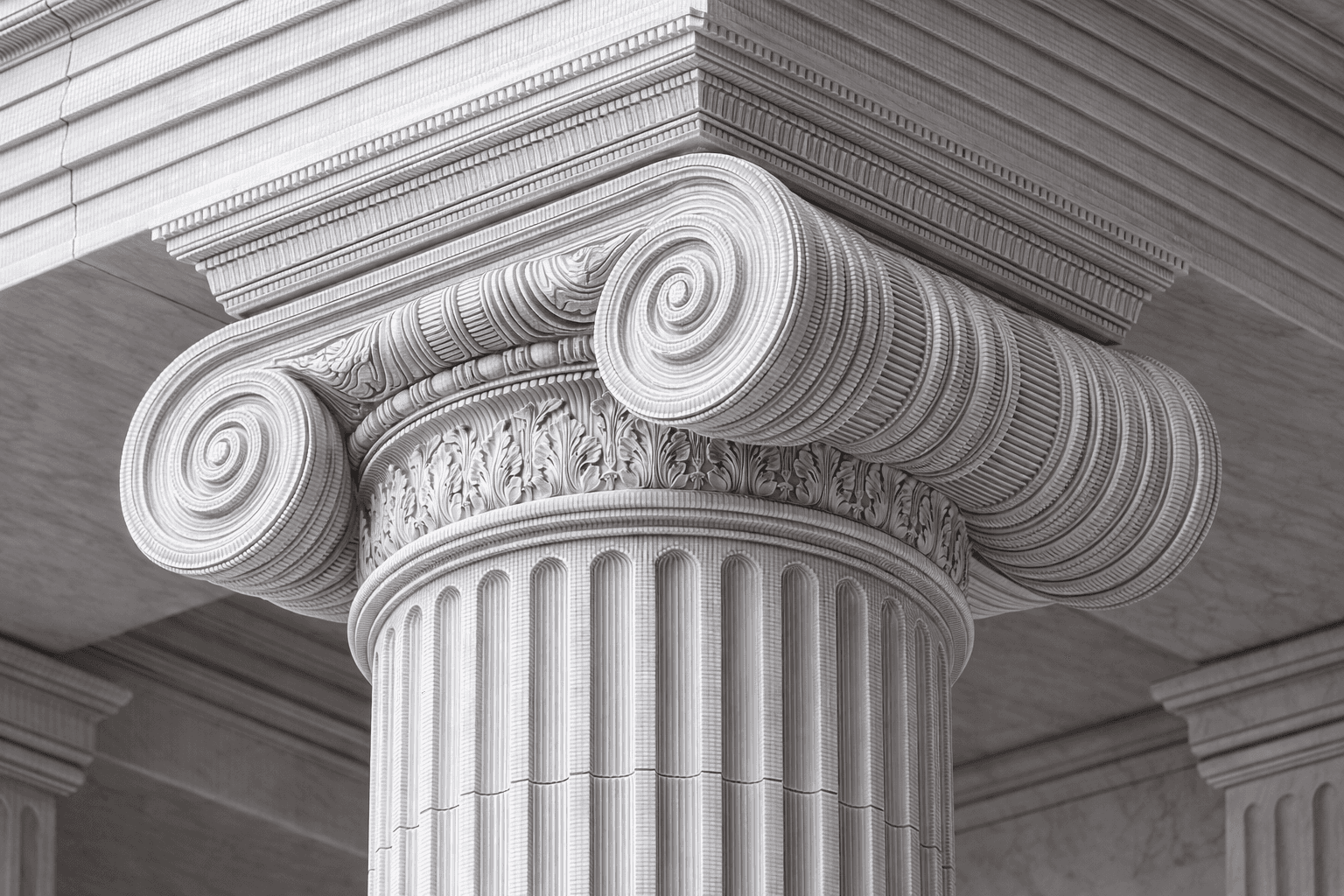
Machined Capital
Machined Capital
Machined Capital
Machined Capital
Machined Capital
Machined Capital
Machined Capital
Machined Capital
See all our commissions